
Helpful Information
Safety & Info
Essential resources for safe and responsible fishing in New Zealand.
Coastguard New Zealand
Trip reports, maritime safety, emergency contacts
Department of Conservation
Marine reserves, protected areas, and regulations
MetService Marine
Coastal forecasts, wind, swell, and tide data
MPI – Fishing Rules
Official fishing regulations, size limits, and bag limits by area
Surf Life Saving NZ
Beach safety, rip currents, patrol information
Tap a species for habitat, methods & tips.
Snapper
Tāmure
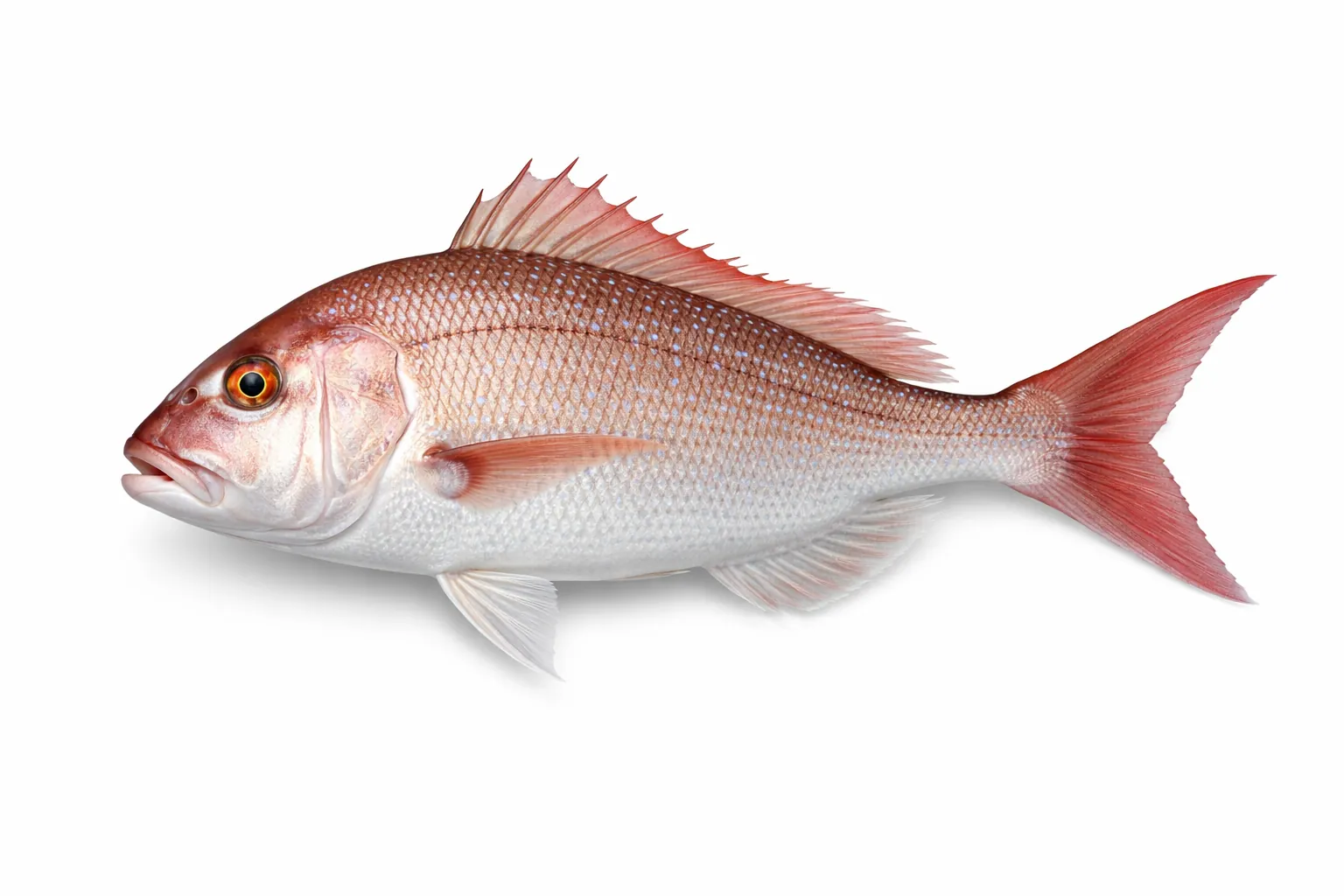
Pagrus auratus
New Zealand's most popular recreational fish. Pinkish-red with blue spots, deep body and large head.
Season
Oct–Apr (peak Dec–Mar)
Habitat
Coastal reefs, harbours, estuaries (0–200 m)
Methods
Use fresh bait on an incoming tide near reef edges for best results.
Kahawai
Kahawai
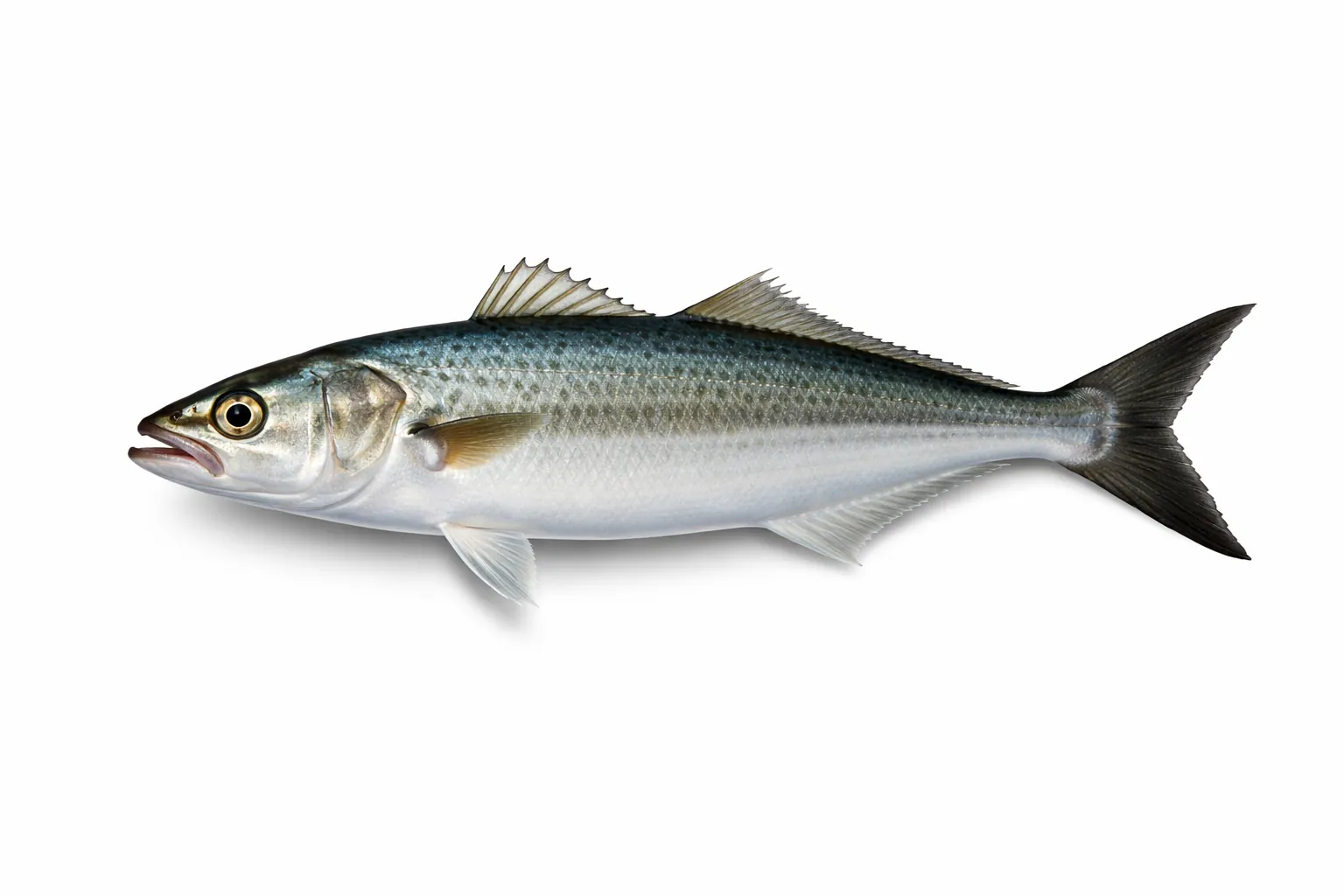
Arripis trutta
Strong-fighting pelagic fish with a dark blue-green back and silver flanks. Excellent sport fish on light tackle.
Season
Year-round (peak Nov–Apr)
Habitat
Surf zones, harbours, open coast
Methods
Cast into surface boil-ups or work a stickbait along current lines.
Blue Cod
Rāwaru
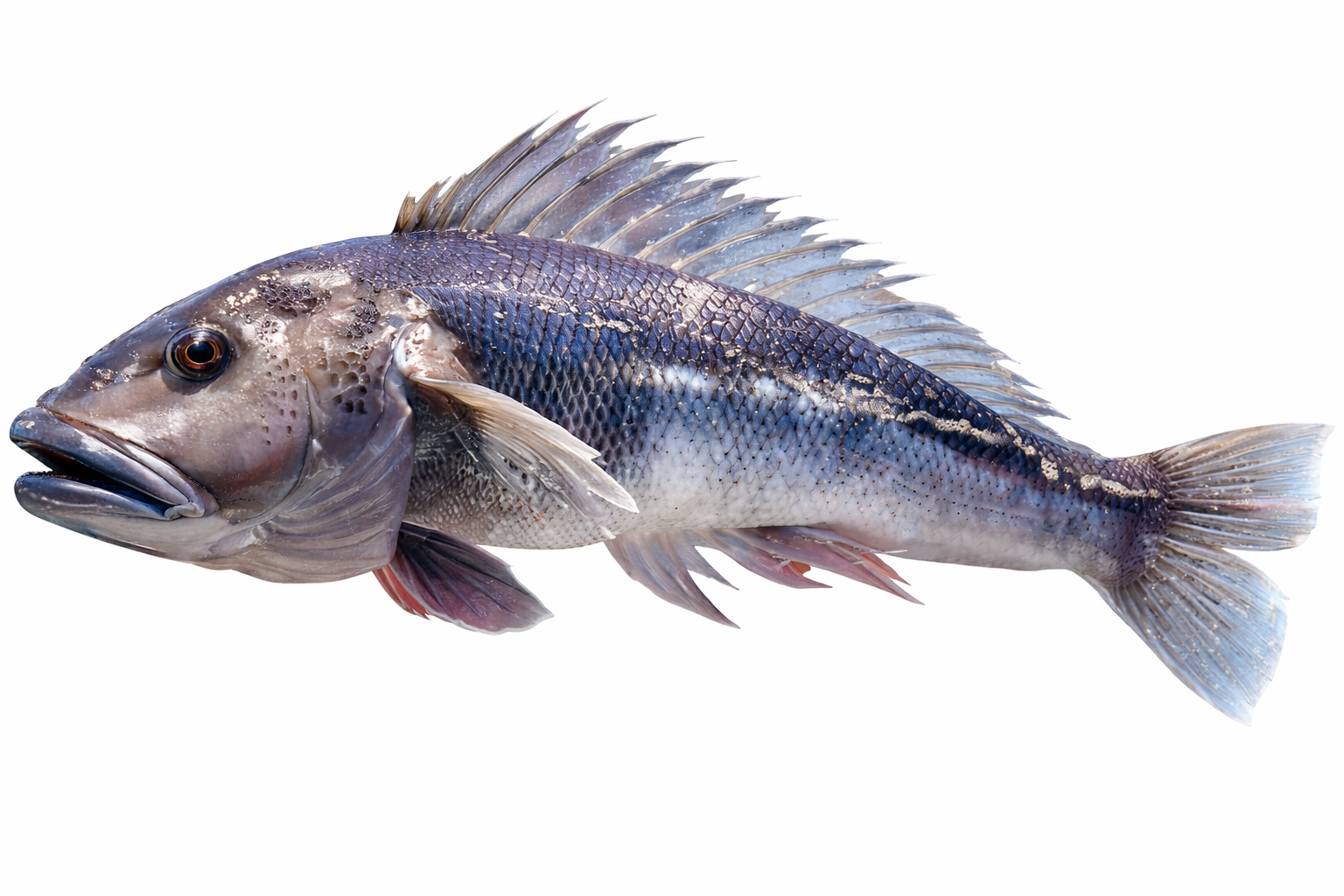
Parapercis colias
A prized South Island reef fish with a stout body, large head and blue-grey colouring. Excellent table fish.
Season
Year-round (peak Oct–Mar)
Habitat
Rocky reef, weed-covered bottoms (South Island)
Methods
Use a two-hook ledger rig with fresh blue cod belly or squid on foul ground.
Red Gurnard
Kumukumu
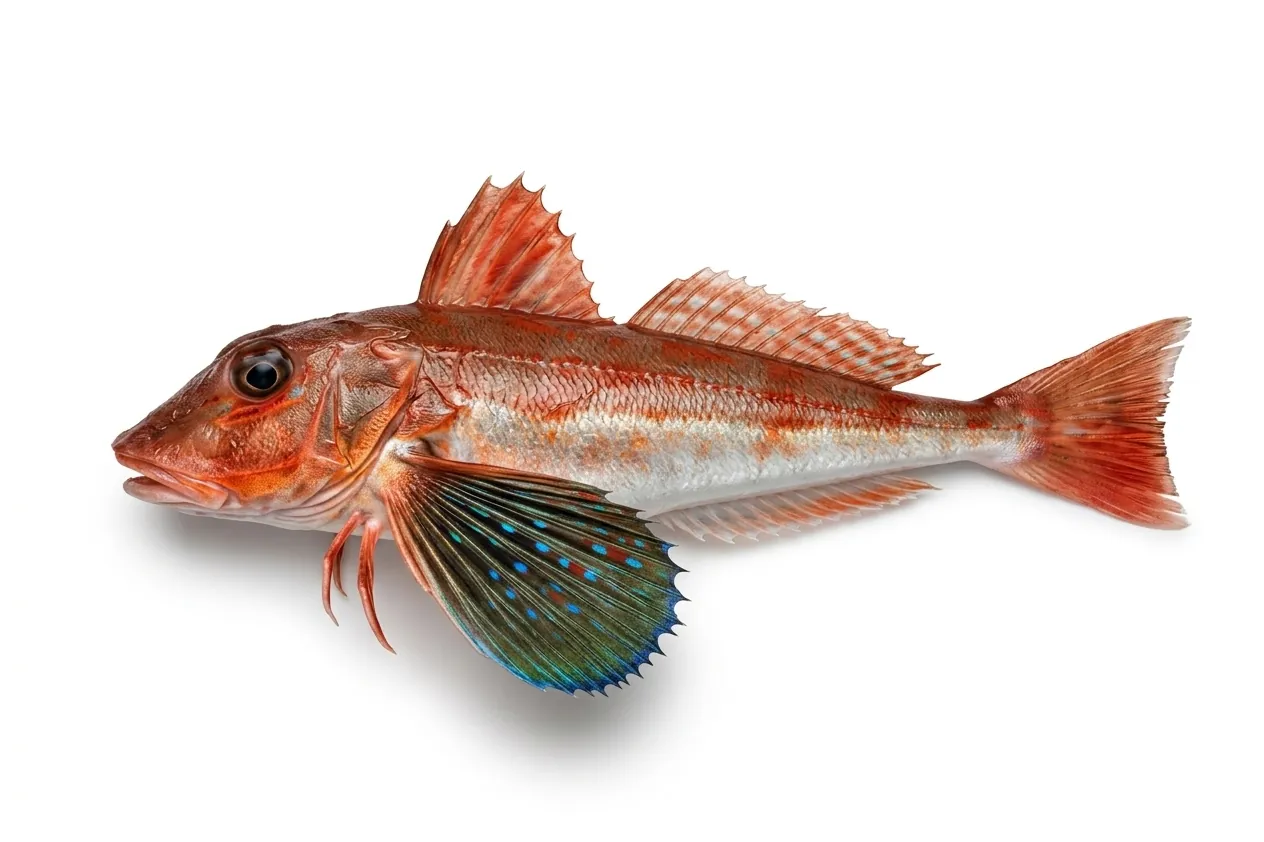
Chelidonichthys kumu
Unmistakable bottom-dweller with fan-like pectoral fins, vivid blue spots, and red-orange colouring.
Season
Year-round
Habitat
Sandy & muddy bottoms (5–200 m)
Methods
Gurnard patrol sand flats—a slow-moving soft-bait along the bottom works well.
Tarakihi
Tarakihi
Nemadactylus macropterus
Distinctive silvery fish with a dark band behind the head and elongated pectoral fins. Excellent eating.
Season
Year-round
Habitat
Sandy bottoms near reef (20–200 m)
Methods
Fish sandy patches adjacent to reef structure with small hooks and pilchard bait.
Trevally
Araara
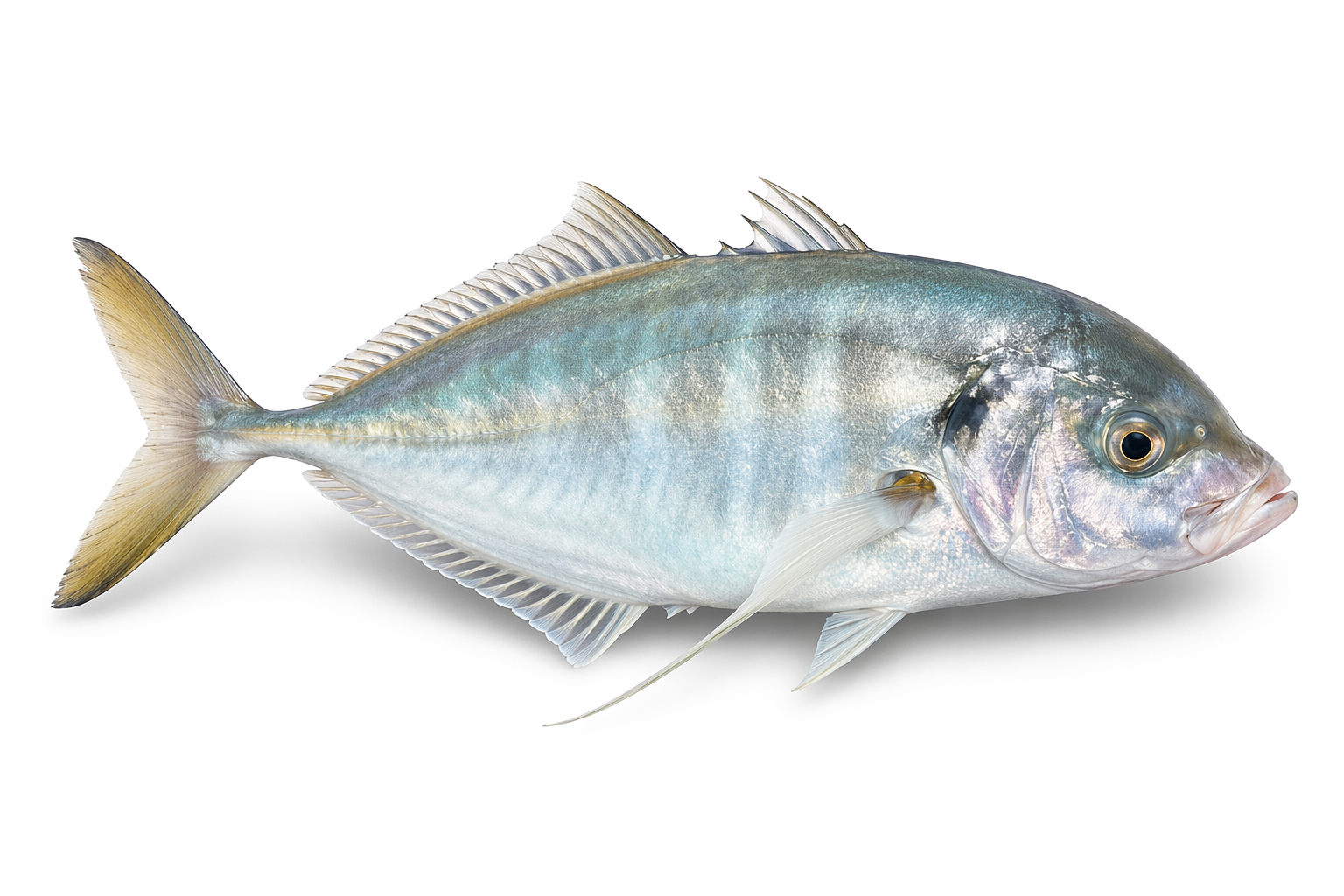
Pseudocaranx georgianus
Silver-bronze schooling fish with a forked tail and compressed body. Good eating and fun on light tackle.
Season
Year-round (peak Jan–May)
Habitat
Reefs, estuaries, sandy flats
Methods
Trevally school tight—if you find one, cast back to the same spot quickly.
Yellowtail Kingfish
Hākū
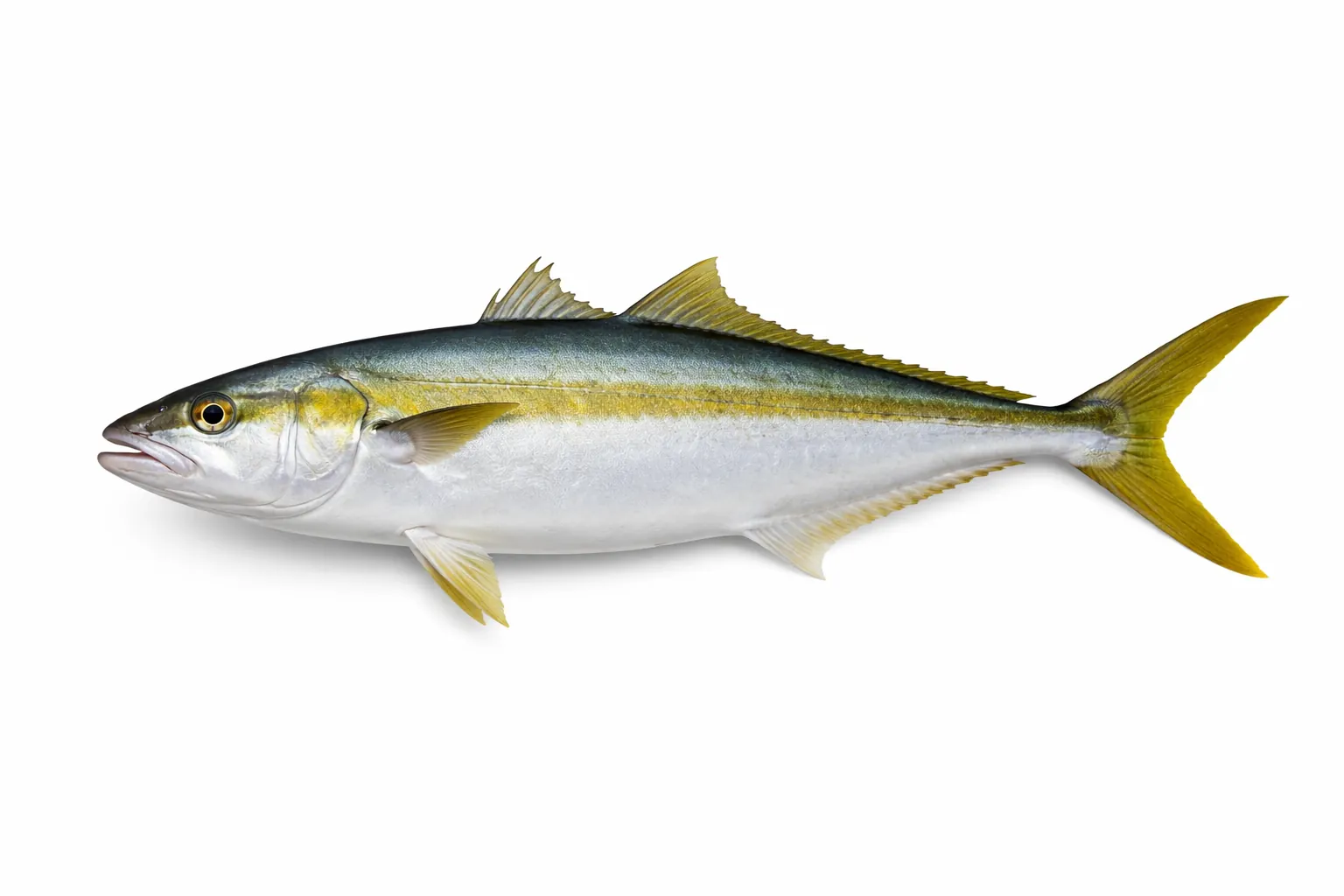
Seriola lalandi
Powerful pelagic predator with a streamlined body and distinctive amber stripe. One of NZ's premier game fish.
Season
Nov–May
Habitat
Rocky pinnacles, current lines, FADs
Methods
Target structure edges at dawn with live baits or fast-retrieve stickbaits.
Blue Moki
Moki
Latridopsis ciliaris
Thick-set reef fish with a dark blue-grey body and fleshy lips. Prized by rock fishers in winter.
Season
Apr–Oct (winter specialist)
Habitat
Rocky coastline, kelp forests
Methods
Fish the white water off rocky coastlines with mussel or crab bait.
Jack Mackerel
Hauture
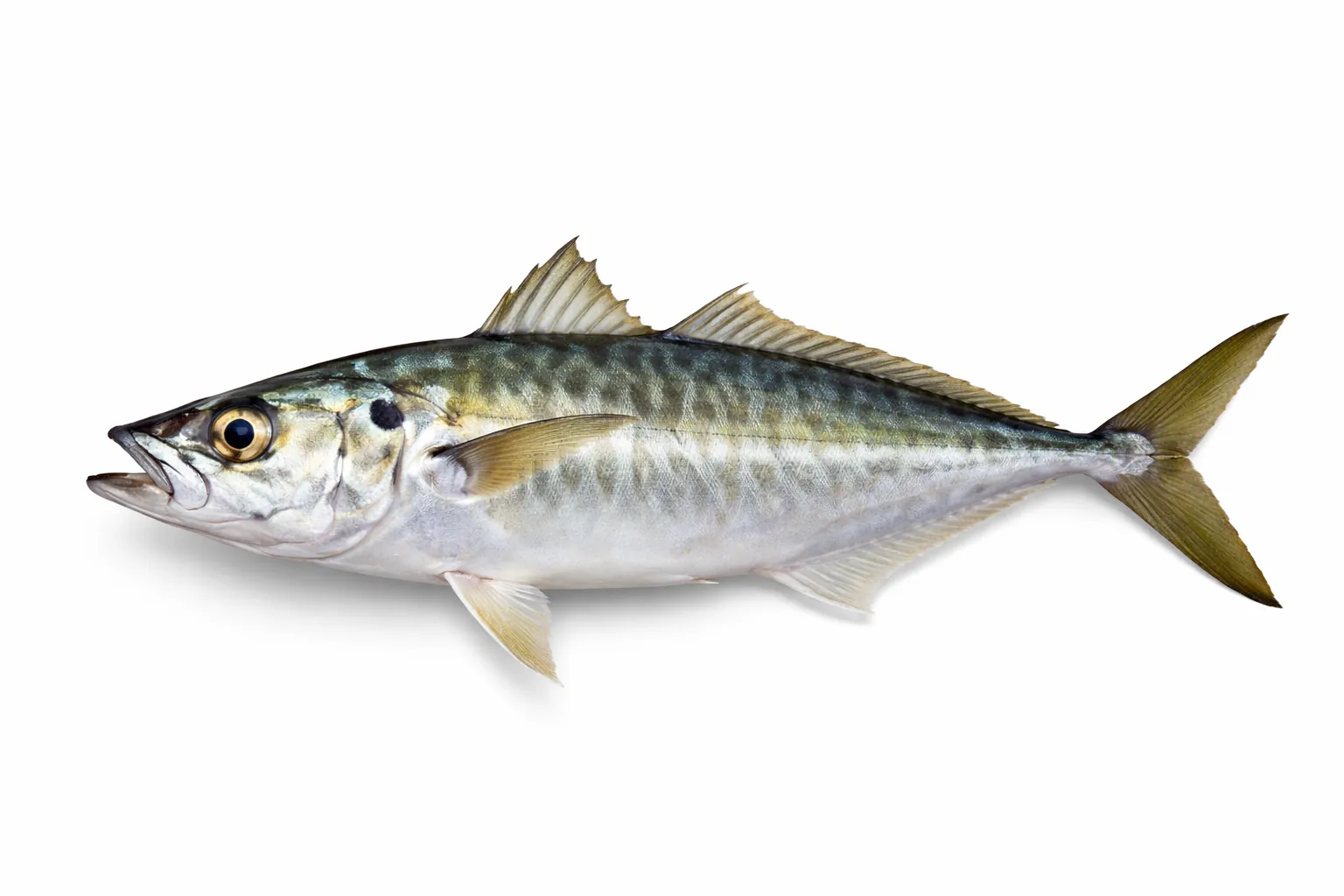
Trachurus spp.
Small, fast schooling fish with a greenish-blue back. Important baitfish and common wharf catch.
Season
Year-round
Habitat
Open water, harbours, wharves
Methods
Great bait fish—catch on sabiki rigs from wharves for live baiting.
John Dory
Kuparu
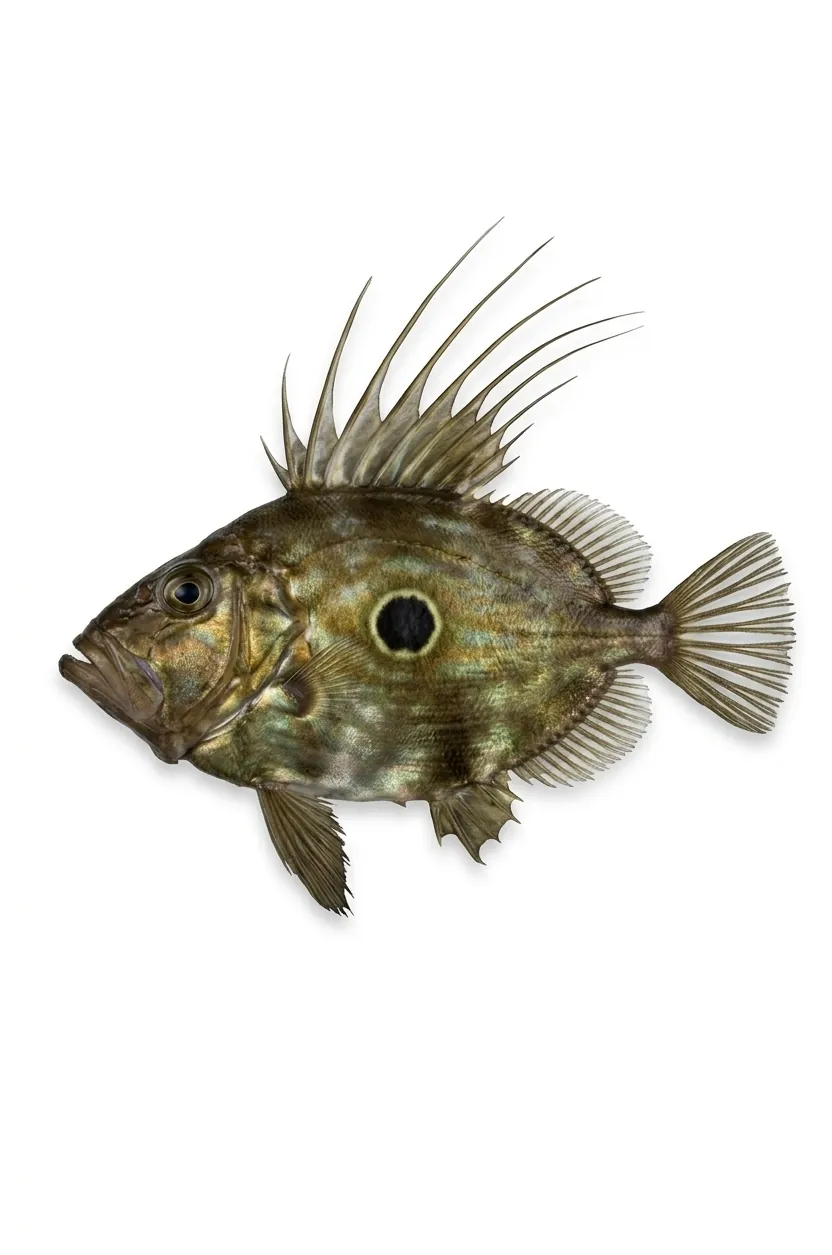
Zeus faber
Bizarre ambush predator with a deep body, long dorsal spines and a distinctive dark 'thumbprint' spot.
Season
Year-round (peak winter)
Habitat
Reef edges, weed beds, harbours
Methods
They ambush prey—use a slow, hovering soft-bait near weed edges.
Skipjack Tuna
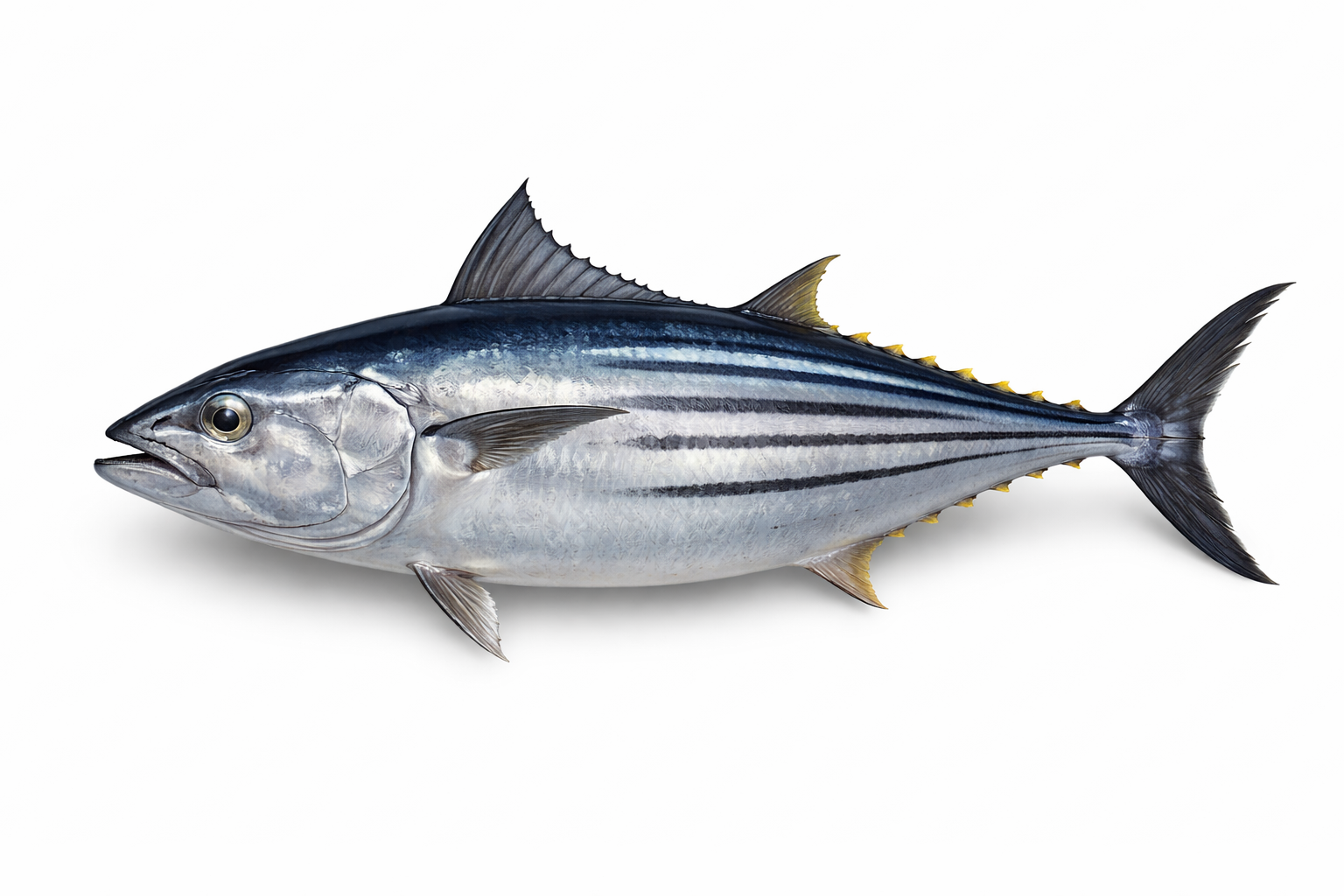
Katsuwonus pelamis
Fast, powerful pelagic with dark longitudinal stripes on the belly. Found in warm offshore currents.
Season
Dec–Apr
Habitat
Open ocean, warm currents
Methods
Follow warm currents and bird activity—troll skirted lures at speed.
Butterfish
Marari
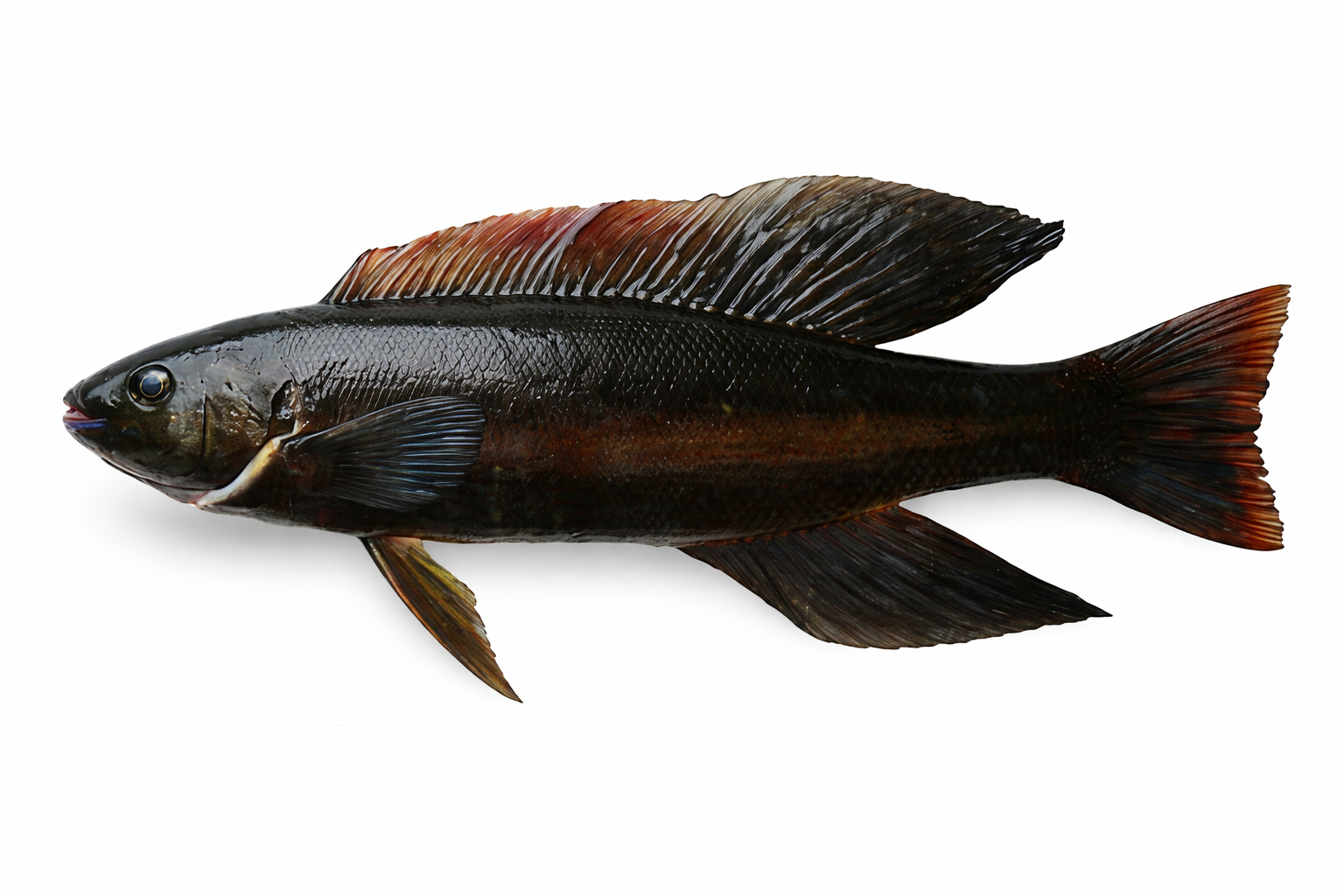
Odax pullus
Herbivorous reef fish found in kelp forests. Varies from green to brown. Prized for its rich, oily flesh.
Season
Year-round
Habitat
Kelp forests, rocky reef
Methods
Found in kelp forests—more commonly speared than line caught.
Essential knots every angler needs. Tap for instructions and video tutorial.
What it's used for
Tying line to hooks, swivels, or lures. Also used as a line-to-line join (double uni).
When to use it
Great all-rounder for mono and fluorocarbon. First knot every angler should learn.
Steps
- 1.Pass the line through the eye and double back to form a loop alongside the standing line.
- 2.Make 5–6 wraps through the loop and around both lines.
- 3.Moisten the knot and pull the tag end to snug the wraps.
- 4.Slide the knot down to the eye by pulling the standing line.
- 5.Trim the tag end.
Video: Ultimate Fishing
What it's used for
Joining braid mainline to a fluorocarbon or mono leader.
When to use it
When you need the strongest, slimmest braid-to-leader connection – ideal for lure fishing and jigging.
Steps
- 1.Tension the braid line (use your reel or a pin) and lay the leader across it.
- 2.Weave the braid over and under the leader, alternating sides – 15-20 wraps.
- 3.Pinch the wraps, then make 2–3 half-hitches over both lines to lock.
- 4.Add 3–4 half-hitches over the braid only to create a taper.
- 5.Trim leader and braid tag ends close.
Video: Salt Strong
What it's used for
Attaching hooks, swivels, or lures to monofilament or fluorocarbon line.
When to use it
Quick and reliable for lighter lines (up to ~15 lb). Perfect for bait fishing rigs.
Steps
- 1.Thread the line through the hook eye.
- 2.Make 5–7 twists around the standing line.
- 3.Pass the tag end through the small loop near the eye.
- 4.Then pass the tag end through the big loop you just created.
- 5.Moisten, pull tight, and trim.
Video: Fishthatwontquit